
Water heater safety: scalding, gas leaks and carbon monoxide risks
By Diego Marsh · Updated 2026-07-02
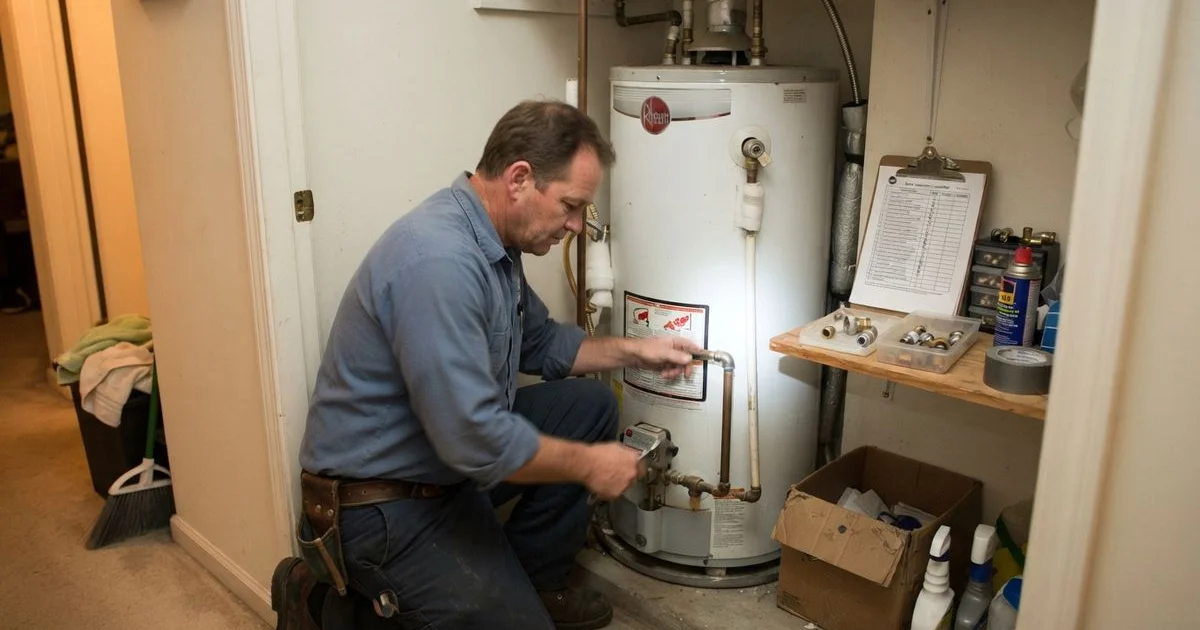
This is general information, not a substitute for professional inspection. If you suspect a gas leak or carbon monoxide exposure, leave the home immediately and call for help from outside.
A water heater sits in most Conway garages and closets doing its job quietly for years, which is exactly why the safety side of it gets overlooked. Most of the time that’s fine. Occasionally it isn’t, and the difference between a normal water heater and a dangerous one comes down to a handful of specific warning signs worth knowing before you need them. The water heater installation and repair category page covers who does this work locally; this guide covers the safety checks worth running on the unit you already have.
Scalding: the everyday risk
The most common water heater safety issue isn’t dramatic, it’s the thermostat setting. Water heaters are often set at the factory to 140 degrees Fahrenheit or higher, hot enough to cause a serious burn in seconds. Most plumbers recommend 120 degrees, which is still comfortable for showers and dishes but meaningfully safer, especially in homes with young children or older adults who may not react as quickly to hot water or have thinner skin.
Check your thermostat setting directly on the unit, and if you’re not comfortable adjusting it yourself, ask a plumber to set it during your next service call. It’s a five-minute fix with a real safety payoff.
Gas leaks: what to watch for and what to do
A gas water heater that’s leaking fuel smells like rotten eggs, the additive gas utilities put in for exactly this reason. Other warning signs include a hissing sound near the gas line or valve, a pilot light that keeps going out, or visible corrosion around the connections.
If you smell gas near your water heater:
- Do not flip any light switches or use anything electrical, including your phone, while still inside.
- Leave the house immediately and get everyone out.
- Call your gas utility’s emergency line from outside, then call a licensed plumber.
- Do not attempt to relight a pilot light or investigate the smell yourself.
This is one of the few plumbing situations where the right first move is to leave, not to troubleshoot.
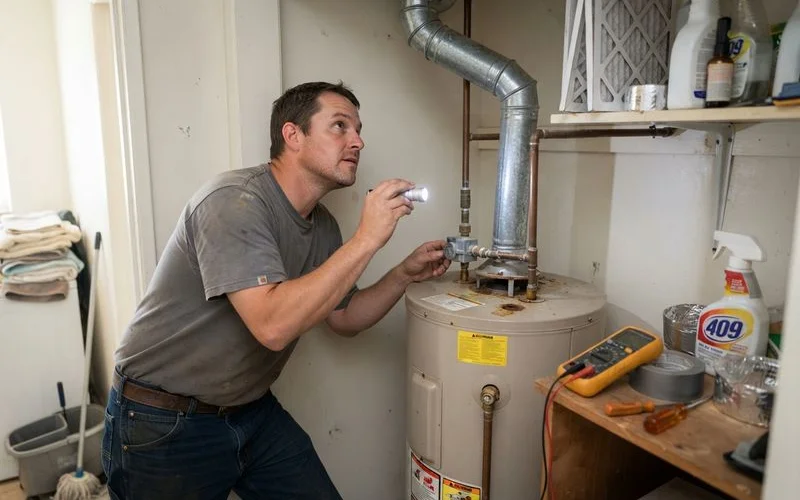
Carbon monoxide: the quiet risk
Gas water heaters vent exhaust, including carbon monoxide, outside the home through a flue or vent pipe. If that venting is blocked, corroded, disconnected, or was never sized correctly during installation, exhaust gases can end up inside the house instead. Carbon monoxide has no smell and no color, which is why a working carbon monoxide detector near sleeping areas matters as much as the water heater’s own condition.
Signs of a venting problem include soot marks around the water heater’s draft hood, a burning smell, or excess condensation on nearby windows. A plumber checking your water heater for a routine service should also confirm the venting is intact and drafting properly, not just check the tank itself.
A quick safety checklist
| Check | Why it matters | How often |
|---|---|---|
| Thermostat set to 120°F | Prevents scald injuries | Check once, adjust if needed |
| No gas smell near the unit | Rules out an active leak | Anytime you’re near the unit |
| Venting is intact, no soot or corrosion | Prevents carbon monoxide entering the home | Yearly |
| Temperature and pressure relief valve tests properly | Prevents dangerous pressure buildup | Yearly |
| Working carbon monoxide detector nearby | Backup detection if venting fails | Test monthly, replace battery yearly |
When to stop using the unit and call someone now
Some symptoms mean don’t wait for a scheduled appointment: a gas smell, a carbon monoxide detector alarm, water that’s scalding straight out of the tap after no thermostat change, or a tank that’s visibly leaking or bulging at the seams. Any of those is worth a same-day call to a plumber who handles urgent calls, rather than something to put off until next week. If the unit is old enough that a repair call keeps coming up, the tankless vs traditional water heater guide walks through what replacing it well would cost.
Most water heaters run for years without incident, and routine maintenance is what keeps it that way. A yearly check of the thermostat setting, venting, and relief valve costs little and closes off the handful of ways this appliance can actually become dangerous. For how we evaluate the plumbers who do this work, see our methodology, and you can browse the rest of the directory for other service categories.
FAQ
- What temperature should my water heater be set to?
- 120 degrees Fahrenheit is the commonly recommended setting. It's hot enough for showers and dishes while cutting the risk of scald injury, which becomes much more likely above 130 degrees, especially for children and older adults.
- How do I know if my gas water heater has a leak?
- A rotten egg smell near the unit, a hissing sound, or a pilot light that won't stay lit are all signs of a possible gas leak. Leave the house, don't flip any switches on your way out, and call your gas utility's emergency line from outside before calling a plumber.
- Can a water heater cause carbon monoxide poisoning?
- Yes, if a gas water heater's venting is blocked, cracked, or improperly installed, exhaust gases containing carbon monoxide can enter the home instead of venting outside. This is why proper venting and a working carbon monoxide detector both matter.
- How often should a water heater be inspected for safety, not just performance?
- A yearly check is reasonable for most households: the temperature and pressure relief valve, venting, and any signs of corrosion or leaking. Older units or ones showing any symptoms below should be checked sooner.