
Septic system rules in South Carolina: DHEC permits and homeowner responsibilities
By Diego Marsh · Updated 2026-07-08
This is general information, not legal advice. For a specific situation, check directly with DHEC or a South Carolina attorney familiar with property and environmental regulations.
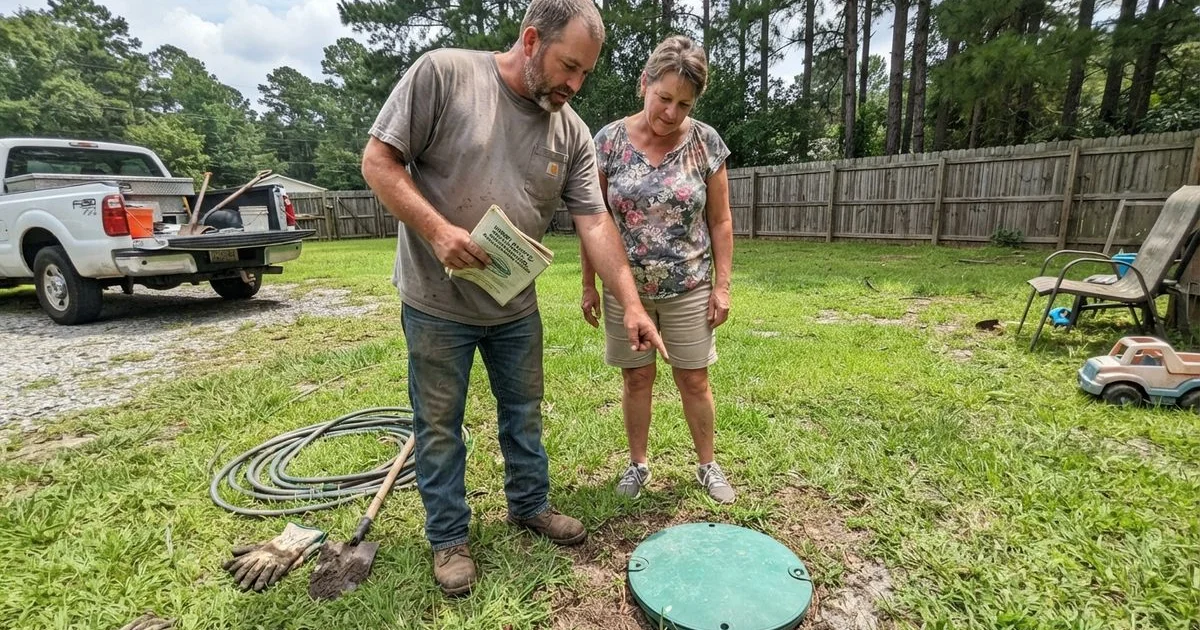
Conway sits in a part of South Carolina where city sewer connections cover the denser areas near downtown, while septic systems handle wastewater for a lot of homes further out toward the county lines and rural pockets. If you’re on septic, the rules that govern it come from the state, not just from whichever company you hire to service it, and getting them wrong can cost more than the repair itself.
Who regulates septic systems in South Carolina
The Department of Health and Environmental Control, DHEC, sets the permitting and design standards for septic systems statewide. That includes new system installations, repairs to failing systems, and replacements of drain fields. DHEC’s involvement exists because a poorly functioning septic system doesn’t just cause a bad smell in your yard, it can contaminate groundwater and nearby water sources, which is why this is treated as a public health matter rather than purely a private property issue.
When you need a permit
Routine septic tank pumping generally doesn’t require a permit, it’s a maintenance task. Where permitting kicks in:
- Installing a new septic system on a property that doesn’t currently have one
- Repairing or replacing a failing drain field
- Replacing the septic tank itself
- Any modification that changes the system’s design or capacity
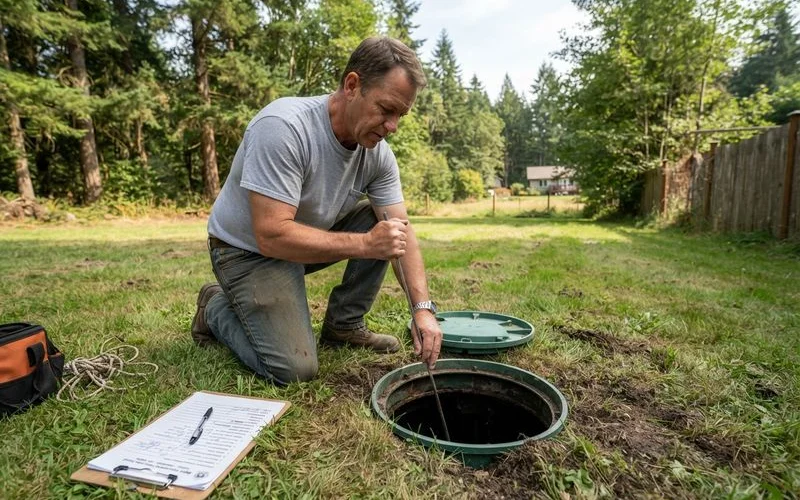
A licensed septic contractor working in South Carolina should already know this process and typically pulls the permit as part of the job. If a contractor suggests skipping the permit to save time or money, that’s a red flag, not a shortcut worth taking. The DHEC process is specific to septic work; for other plumbing projects, our South Carolina plumbing permits guide covers who’s responsible for pulling one.
What homeowners are actually responsible for
| Responsibility | Homeowner | DHEC / County |
|---|---|---|
| Routine tank pumping schedule | Yes | Sets no fixed mandate, but recommends 3-5 years |
| Permits for repair or replacement | Applies for it, contractor often handles paperwork | Reviews and issues the permit |
| Ongoing system maintenance | Yes | No |
| Design standards for new systems | Must follow them | Sets and enforces the standards |
| Disclosure of known issues at sale | Yes, on the property disclosure form | No direct role |
The system on your property is yours to maintain. DHEC’s role is setting and enforcing the rules for how it’s built, repaired, and permitted, not performing the maintenance itself.
Disclosure rules when selling a home on septic
South Carolina’s residential property condition disclosure statement includes a section on sewage disposal, which covers septic systems where applicable. If you know about a failing drain field, a system that’s been pumped more frequently than normal because of a known issue, or any past DHEC violation, that generally needs to be disclosed to a buyer. Sellers who knowingly omit a known septic problem can face legal exposure after closing if it surfaces later, so it’s worth getting a system inspected before listing rather than hoping it doesn’t come up.
What to ask a septic contractor
Before hiring anyone for septic repair or installation work in South Carolina, ask:
- Are you licensed to pull DHEC permits for this type of work?
- Will you handle the permit application, or is that on me?
- What’s your recommended pumping interval for a tank and household size like mine?
- If this is a repair, will the finished work meet current DHEC design standards, or is it a patch?
A contractor who answers all four clearly, and who mentions DHEC by name without being prompted, is generally a safer bet than one who treats permitting as optional paperwork.
Working through South Carolina’s septic rules isn’t just a compliance exercise, it protects your property value and keeps you out of legal trouble at resale. The sewer line and septic services providers in Conway generally handle the permitting process as part of the job. For how we evaluate those providers, see our methodology, and visit the home page for other plumbing categories.
FAQ
- Do I need a permit to repair my septic system in South Carolina?
- Yes, for most repairs beyond simple pumping. DHEC (the Department of Health and Environmental Control) requires a permit for septic tank and drain field repairs, replacements, and new installations, since these systems affect groundwater and public health.
- Do I have to disclose septic system condition when selling a home in South Carolina?
- South Carolina's residential property condition disclosure statement asks about the septic system if one is present, including known problems. Failing to disclose known issues can create legal exposure after the sale.
- Who is responsible for septic maintenance, the homeowner or the county?
- The homeowner. Unlike a municipal sewer connection, a septic system on your property is your responsibility to maintain, pump on schedule, and repair when it fails, though DHEC sets the permitting and design rules you have to follow.
- What happens if I don't get a permit for septic work?
- Unpermitted septic work can create problems at resale, since a lender or buyer's inspection may flag it, and DHEC can require the work to be brought up to code after the fact, sometimes at greater cost than doing it right the first time.