
Plumbing permits in South Carolina: when you need one and who pulls it
By Diego Marsh · Updated 2026-07-14
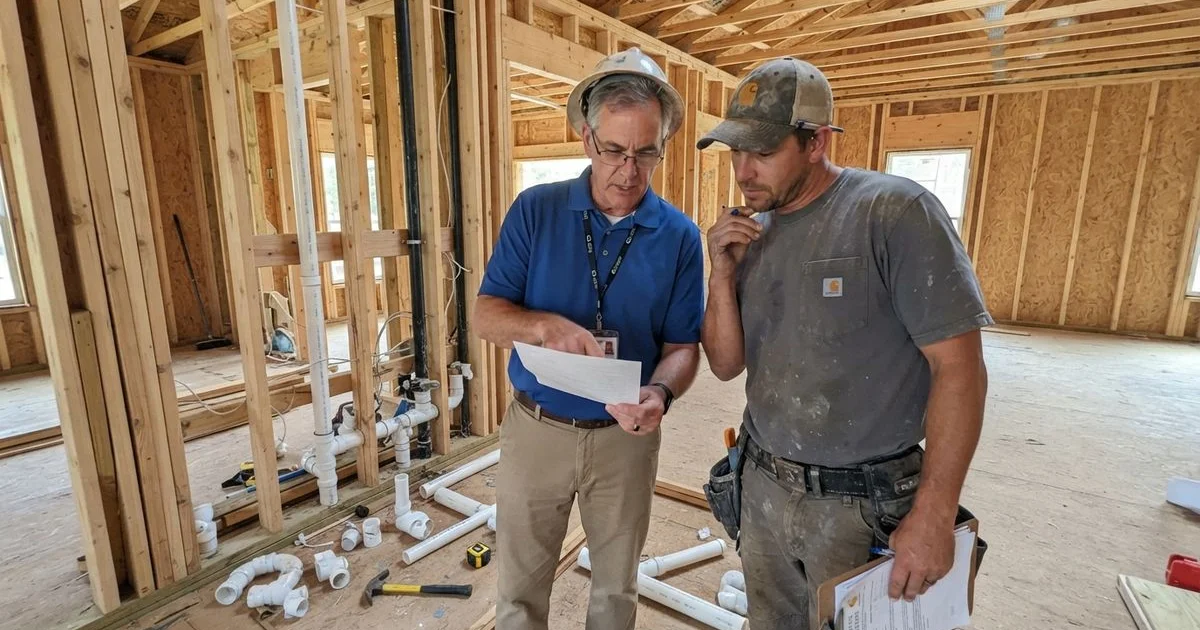
This is general information, not legal advice. Requirements vary by project and jurisdiction; confirm specifics with Horry County or the City of Conway building department before starting work.
Plumbing permits sound like paperwork nobody wants to deal with, but they exist for a specific reason: to make sure work that’s about to get covered up by drywall, flooring, or a slab actually meets code before it disappears from view. Knowing when a permit applies, and who’s supposed to handle it, saves a headache at resale time even if it feels like an extra step now.
What usually needs a permit
Permit requirements vary by county and municipality, but as a general pattern in South Carolina:
- New plumbing system installations
- Water heater replacements (especially gas units, due to venting requirements)
- Repiping a home, in whole or in significant part
- Adding a bathroom, kitchen, or any new fixture that ties into the main system
- Sewer or septic line replacement, which carries its own DHEC permitting rules on top of the local building permit
- Gas line installation or modification
What usually doesn’t
- Fixing a leak at an existing fixture or joint
- Clearing a clogged drain
- Replacing a faucet, toilet, or showerhead without moving supply or drain lines
- Routine maintenance like descaling a water heater or replacing an anode rod
The general dividing line is whether the work changes or adds to the plumbing system versus repairing what’s already there in place.
Who actually pulls the permit
In practice, a licensed plumbing contractor pulls the permit as part of doing the job, since the permit is tied to their license number and they’re the one accountable for the work meeting code. If you’re hiring for work that should require a permit and the contractor doesn’t bring it up, ask directly. A contractor who suggests skipping the permit to save time, or quietly not mentioning it at all, is cutting a corner that could cost you more later.
Why the inspection step matters
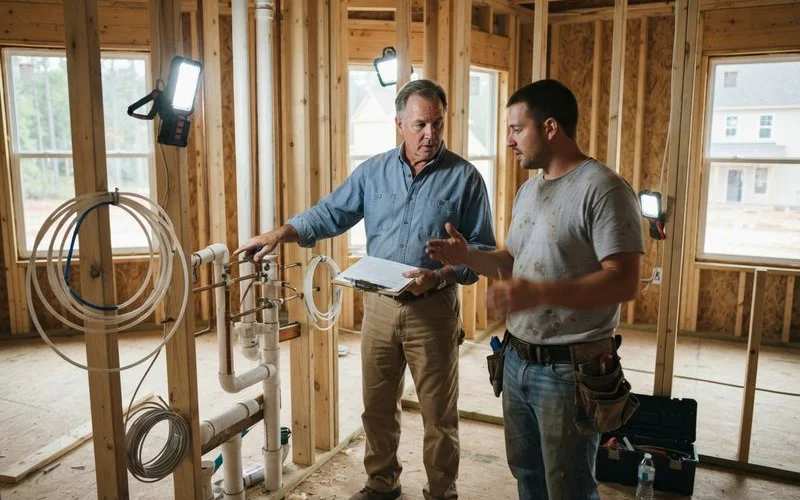
The permit itself is really about the inspection that comes with it. A local inspector checks completed rough-in plumbing, before it’s covered by drywall, flooring, or concrete, to confirm it meets code: correct pipe sizing, proper venting, adequate support, and code-compliant materials. Skipping this step means nobody verified the work before it became invisible, which matters a lot if a problem develops years later and nobody can easily tell whether it was ever inspected.
What skipping a required permit can cost you later
| Situation | Risk of unpermitted work |
|---|---|
| Selling your home | A home inspector or buyer’s agent may flag unpermitted work, complicating or delaying the sale |
| Filing an insurance claim | An insurer may question or deny a claim tied to work that was never inspected |
| A problem develops later | The county can require the work to be opened up and inspected retroactively |
| Refinancing or an appraisal | Some lenders flag unpermitted additions or major system changes |
Questions to ask before work starts
- Does this project require a permit, and if so, will you be pulling it?
- Roughly how long does the permit and inspection process add to the timeline?
- Can I see the permit once it’s issued, and will you let me know when the inspection is scheduled?
If you inherited unpermitted work
Buying a home and later discovering plumbing work was done without a permit is a common situation, and it doesn’t necessarily mean starting over. Horry County and the City of Conway both have processes for after-the-fact permitting, where an inspector reviews existing work and either approves it, requires specific corrections, or in rarer cases requires it to be opened up for a full inspection. A licensed plumber familiar with local code can usually tell you which outcome is likely just by looking at the work, before you formally apply and find out the hard way.
It’s worth doing this proactively rather than waiting until you’re mid-sale and a buyer’s inspector flags it. Resolving an unpermitted repair on your own timeline, with room to negotiate the scope of any correction, beats scrambling to fix it during a closing deadline.
A contractor who handles this without prompting, and treats the permit as a normal part of the job rather than an inconvenience, is usually the safer bet for anything beyond a minor repair. For how we evaluate plumbing contractors across categories, see our methodology, and visit the home page to browse other plumbing services in Conway.
FAQ
- Does every plumbing repair need a permit in South Carolina?
- No. Minor repairs like fixing a leak, replacing a faucet, or clearing a clog usually don't require one. Permits typically apply to new installations, water heater swaps, repiping, and any work that changes the system rather than just repairing an existing fixture.
- Who is supposed to pull the permit, me or the plumber?
- In practice, the licensed contractor doing the work usually pulls the permit, since it's tied to their license number. If you're hiring an unlicensed handyman for work that requires a permit, that's a sign to reconsider the hire.
- What happens if plumbing work is done without a required permit?
- Unpermitted work can create problems later: a home inspection during a sale may flag it, insurance claims can be complicated by uninspected work, and the county can require it to be opened up and inspected retroactively, sometimes at greater cost.
- Does a permit mean the work gets inspected?
- Yes, that's the point of the permit. A local inspector checks the completed work against code before it's covered up (behind drywall, under a slab, and so on), which is why permits matter most for anything that will be hidden once finished.