
Renting in Conway: who pays for plumbing repairs, you or your landlord
By Diego Marsh · Updated 2026-07-20
This is general information, not legal advice. For a specific dispute, consult South Carolina Legal Services, a tenant’s rights organization, or an attorney.
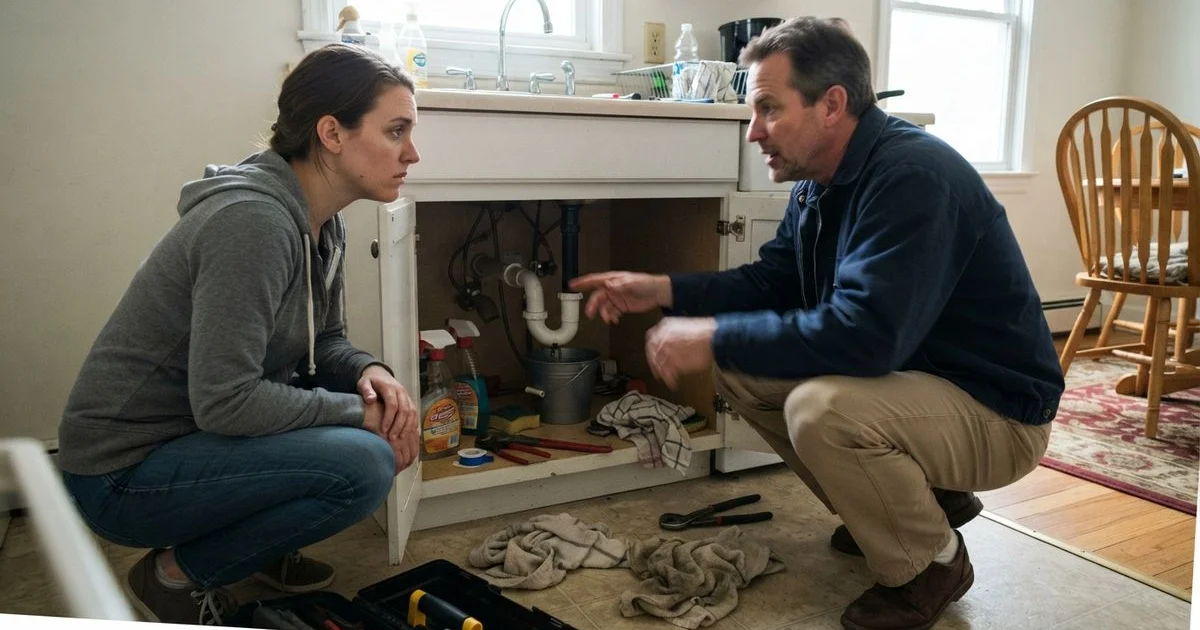
A plumbing problem in a rental raises an immediate question that owning a home doesn’t: whose responsibility is this, and whose bill is it? South Carolina law gives a reasonably clear answer for most situations, though it depends on what broke and how it broke.
The general rule: landlords maintain, tenants don’t misuse
Under South Carolina’s Residential Landlord and Tenant Act, landlords are required to keep rental property in a fit and habitable condition, and that includes functioning plumbing: working toilets, hot water, and drains that aren’t backed up. This obligation exists regardless of what the lease says, since habitability is a baseline legal requirement, not something a landlord can waive in a rental agreement.
The flip side: damage caused by a tenant’s misuse, flushing items that clog a line, damaging a fixture through negligence, is generally the tenant’s financial responsibility, even though the landlord may still be the one arranging for the repair to get done.
What typically falls on the landlord
- No hot water
- A toilet that won’t flush or is the only one in the unit and stops working
- A significant leak affecting the unit’s habitability
- Sewage backup
- Failing water heater
- Any plumbing issue that existed before you moved in and wasn’t caused by you
What typically falls on the tenant
- Clogs caused by flushing inappropriate items
- Damage from a tenant’s own installation (an unauthorized appliance hookup, for example)
- Cosmetic issues that don’t affect function, unless the lease specifies otherwise
A quick reference
| Situation | Usually landlord’s responsibility | Usually tenant’s responsibility |
|---|---|---|
| No hot water, water heater failure | Yes | No |
| Toilet won’t flush, no other working toilet | Yes | No |
| Clog from flushing wipes or grease | No | Yes |
| Pre-existing leak from before move-in | Yes | No |
| Damage from an unauthorized appliance install | No | Yes |
| Sewage backup from the main line | Yes | No |
What to do when a repair request goes nowhere
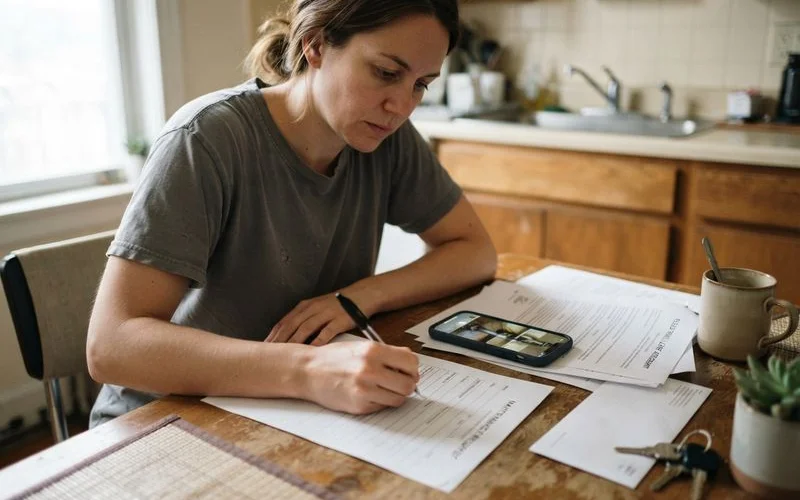
- Put the request in writing. A text or email creates a timestamp and a record, which matters if the situation escalates. Keep a copy.
- Be specific about severity. “No hot water since Tuesday” gets a different legal urgency than “faucet drips occasionally.” State clearly if the issue affects habitability.
- Know that rent withholding has rules. South Carolina law allows tenants to pursue remedies when a landlord fails to make required repairs, but there’s a specific process to follow. Withholding rent without following it correctly can expose you to an eviction claim instead of resolving the repair issue.
- Reach out to a tenant’s rights resource if the landlord isn’t responding. South Carolina Legal Services and local tenant advocacy organizations can explain the specific steps for your situation.
If you’re a landlord reading this
The same rules run both directions: address genuine habitability issues promptly, and document conditions and repairs performed so there’s a clear record of what was fixed, when, and why. A landlord who documents repair timelines and keeps records of tenant-caused damage separately from normal wear is in a much stronger position if a dispute ever escalates.
It’s also worth setting expectations at move-in. A move-in checklist that notes the condition of fixtures, water pressure, and any known quirks in the plumbing gives both sides a clear baseline. Without one, a dispute over whether a problem existed before the tenant moved in or developed afterward comes down to memory and word against word, which rarely goes well for either party.
Multi-unit buildings add a wrinkle
In an apartment building or duplex, a plumbing problem can affect more than one unit, a leak in one apartment showing up as a ceiling stain in the unit below, or a main line backup hitting several tenants at once. In these cases, the landlord’s obligation to respond quickly is even more pressing, since the damage and habitability impact can spread. Tenants in this situation should still document and report through the same channels, but it’s worth mentioning explicitly if neighboring units seem affected too, since that changes how urgently the issue needs to be treated.
Plumbing problems in a rental come with a legal dimension that owning a home doesn’t. Knowing where the responsibility sits, and documenting requests either way, keeps a repair issue from turning into something bigger. For how we evaluate the plumbers who handle rental repairs in Conway, see our methodology, and visit the home page to browse other categories.
FAQ
- Is my landlord legally required to fix a plumbing problem in South Carolina?
- Yes, under South Carolina's Residential Landlord and Tenant Act, landlords must maintain the property in a fit and habitable condition, which includes working plumbing. A non-working toilet or no hot water generally counts as a habitability issue.
- Can I withhold rent if my landlord won't fix a plumbing issue?
- South Carolina law has specific procedures for this, and withholding rent without following them correctly can put you at risk of eviction. Put repair requests in writing and consult a tenant's rights resource before withholding any payment.
- What if I caused the plumbing problem myself?
- Damage caused by tenant misuse, flushing something that shouldn't go down a toilet, for example, is generally the tenant's responsibility to pay for, even if a landlord arranges the repair.
- How long does a landlord have to respond to a plumbing repair request?
- South Carolina law doesn't set one universal number of days for every repair, but requires action within a reasonable time given the severity. A total loss of water or a sewage backup warrants a much faster response than a slow drain.